









Hangzhou: A Digital Paradise Steeped in Poetry

Ideal for culture lovers and nature travelers: stroll around West Lake, admire classical gardens, try Hangzhou cuisine, and soak up the charm of Jiangnan

West LakeFoodCity WalksFamilyNight ToursTea Culture
Loading AMap...
Hangzhou · East China

First Impressions of Hangzhou

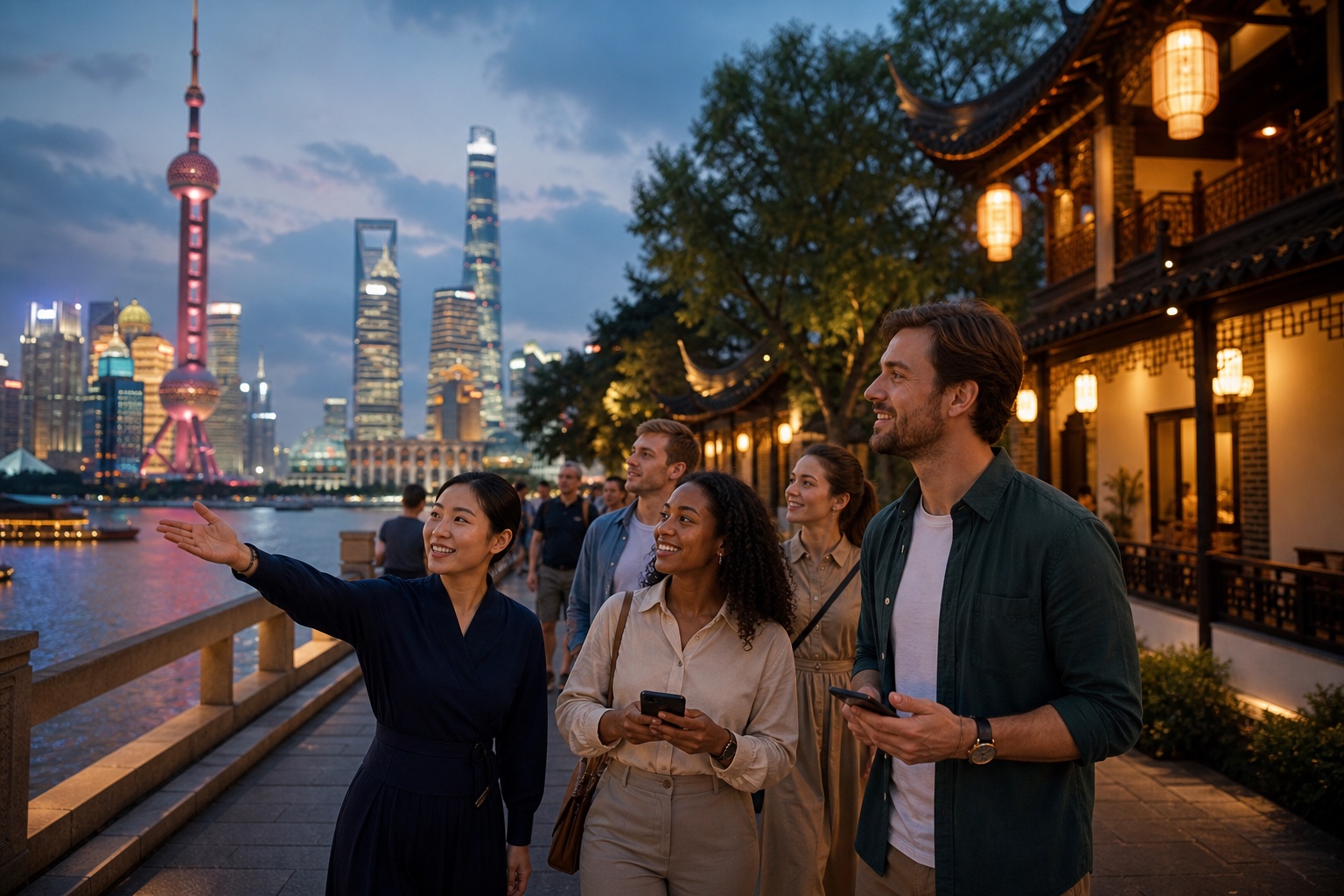
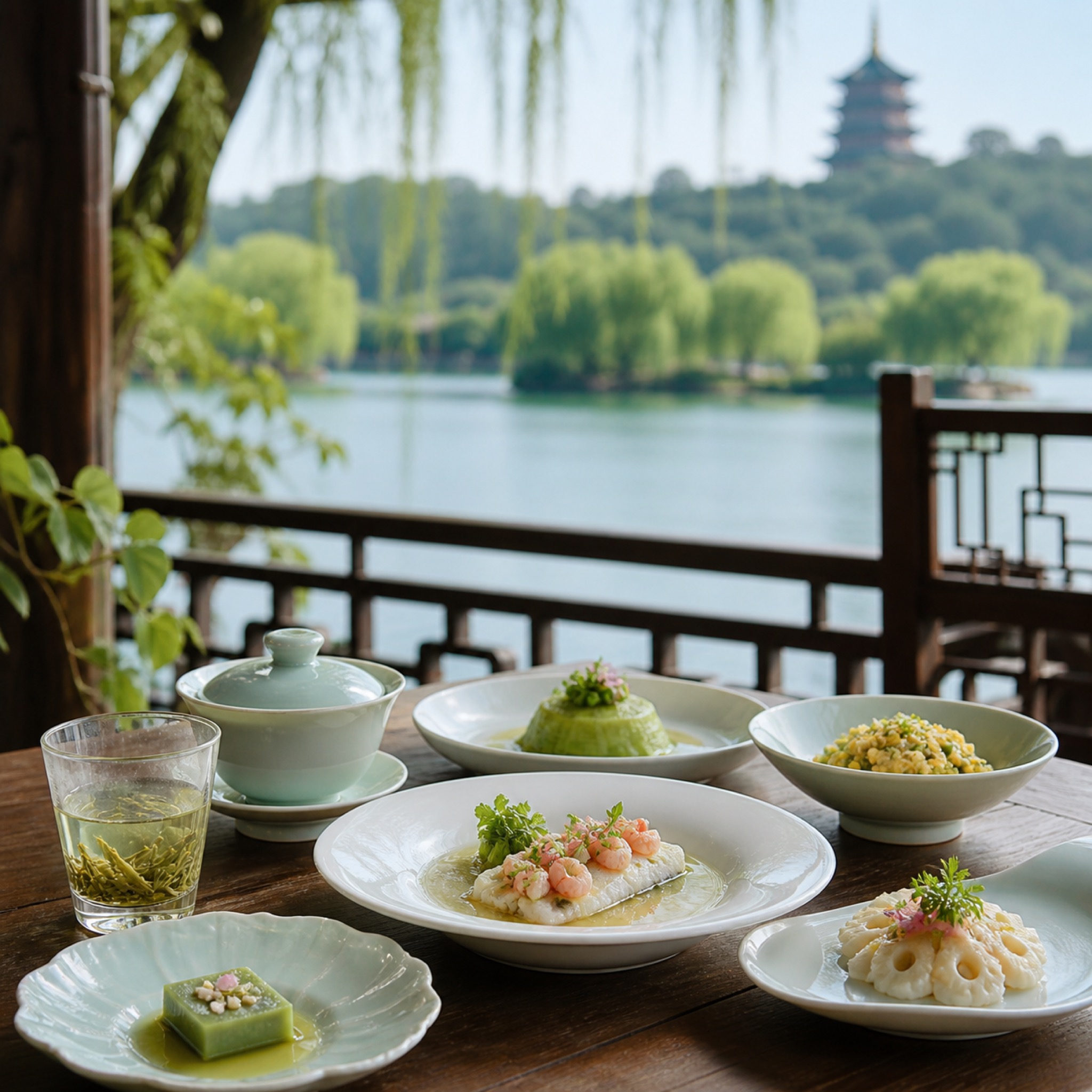
Hangzhou combines the scenic beauty of West Lake, where every step reveals a new view, with the everyday atmosphere of the old city in places such as Qinghefang and Qiaoxi Historic Street. You can walk along Su Causeway for lake and mountain views, listen to the morning bell and evening drum at Lingyin Temple, visit the China National Silk Museum to explore traditional craftsmanship, or take in the city skyline by the Qiantang River. Local Hangzhou cuisine is light, fresh, and easy to enjoy, while street snacks such as scallion-stuffed pancakes and Dingsheng cakes are affordable and distinctive. The city has well-developed public transport and well-established visitor services around its attractions, with a relaxed, unhurried feel that makes it easy to explore.

Choose a Convenient Base and Explore the City with Ease

Staying at a hotel around West Lake is the most convenient option. You can walk to the main West Lake sights, with plenty of restaurants and convenience stores nearby, while Hefang Street and Southern Song Imperial Street are only about ten minutes away. If you stay in the Wulin Square shopping area, you’ll have many options for shopping and dining, easy metro transfers, and quick access to sights a little farther out, such as Liangzhu and Xixi Wetland. If you want to experience everyday life in old Hangzhou, choose an area near Longxiangqiao as your starting point. Local snack spots are clustered nearby, and you can take a bus directly to Longjing Village, Jiuxi, and other sights.

Take Hangzhou Slowly and Discover Surprises in Its Lanes

You can rent a bike at West Lake and ride along the shoreline, discovering ancient pavilions tucked beneath willow trees around the corner; visit Longjing Village for a cup of freshly roasted pre-Qingming tea and watch tea farmers working in the fields; or browse the night market by the Beijing-Hangzhou Grand Canal and take a water bus as lanterns light up along both banks. If you enjoy culture, the city has many historic sites from the Wuyue and Southern Song periods, while Xiling Seal Art Society and the Zhejiang Provincial Museum offer a deeper look at Jiangnan’s cultural heritage. Even a casual walk through old lanes reveals a strong sense of local history and atmosphere.

Cultural Travel Gems Hidden in the City

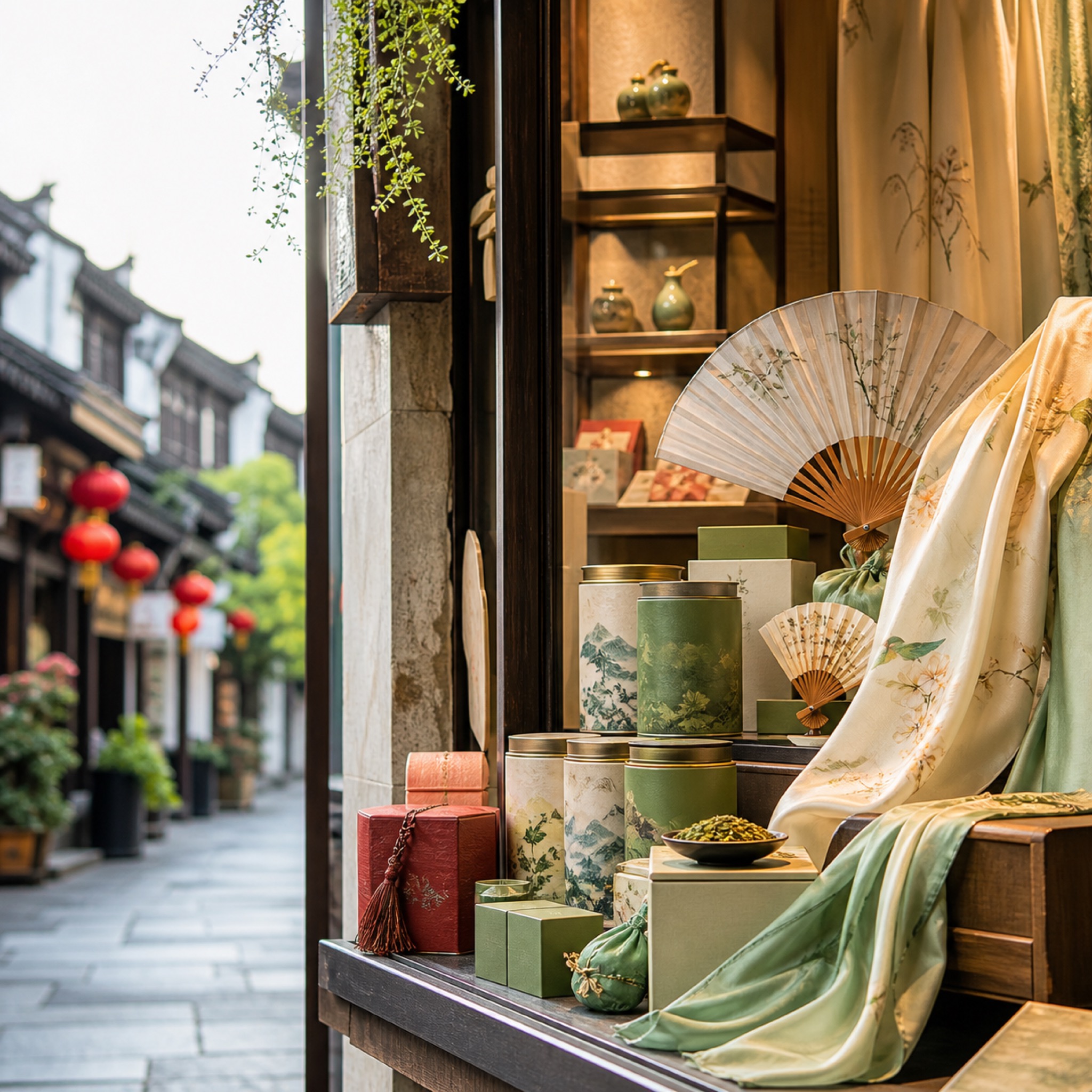
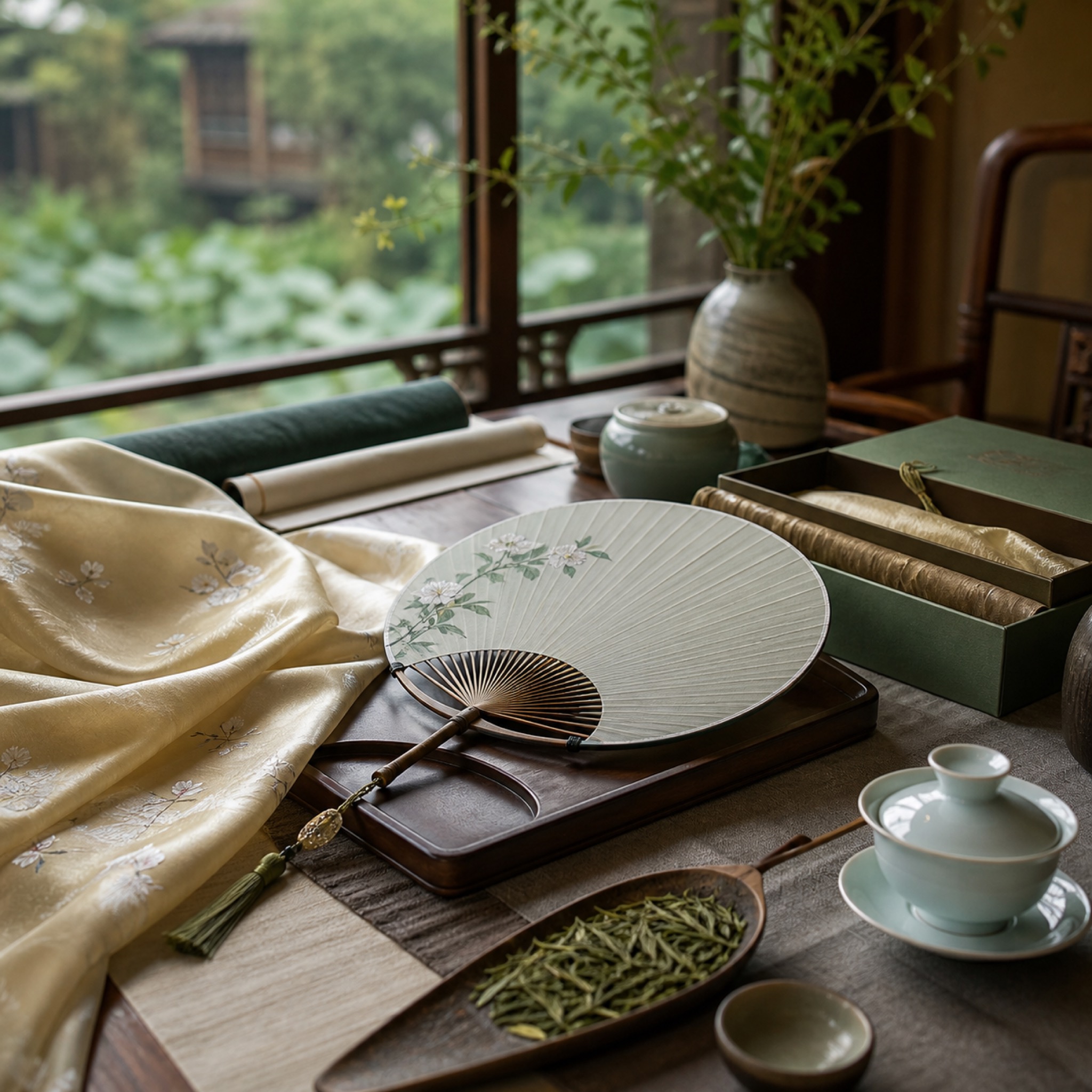
Hangzhou is one of the most representative cities of Jiangnan culture. It served as the capital during the Southern Song dynasty, leaving behind many old-city lanes and traces of imperial gardens. Since ancient times, it has been a place loved by scholars and poets, and the stone inscriptions, pavilions, and terraces around West Lake still carry the poetry and calligraphy of generations of literati. Local tea and silk cultures have long histories, and traditional crafts such as Hangzhou fans and Hangzhou embroidery are still passed down by artisans today. Everyday life also preserves customs such as picking tea around Qingming, eating zongzi at the Dragon Boat Festival, and enjoying soy-braised duck in autumn and winter, with a thousand-year-old sense of everyday aesthetics woven into the bustle of the streets.

Six Types of Experiences to Choose From

Most attractions in the urban area are directly accessible by metro. Around West Lake, walking or cycling is recommended, while the Grand Canal can be experienced by water bus. A stay of 3–5 days is recommended. Overall spending is moderate, and most public places support multilingual signage and international payment methods. Spring and autumn offer the most comfortable weather. During public holidays, popular spots such as West Lake and Lingyin can be busy, so consider visiting early in the morning to avoid peak times. Most scenic areas have accessible routes and are friendly for senior visitors and families with children. There is no need to carry much cash, as most spending can be handled by mobile phone.